
Puppy vaccination schedule: a clear and simple guide
Learn how to organise your puppy’s vaccination schedule, what details to save and why reminders help you avoid missed dates.
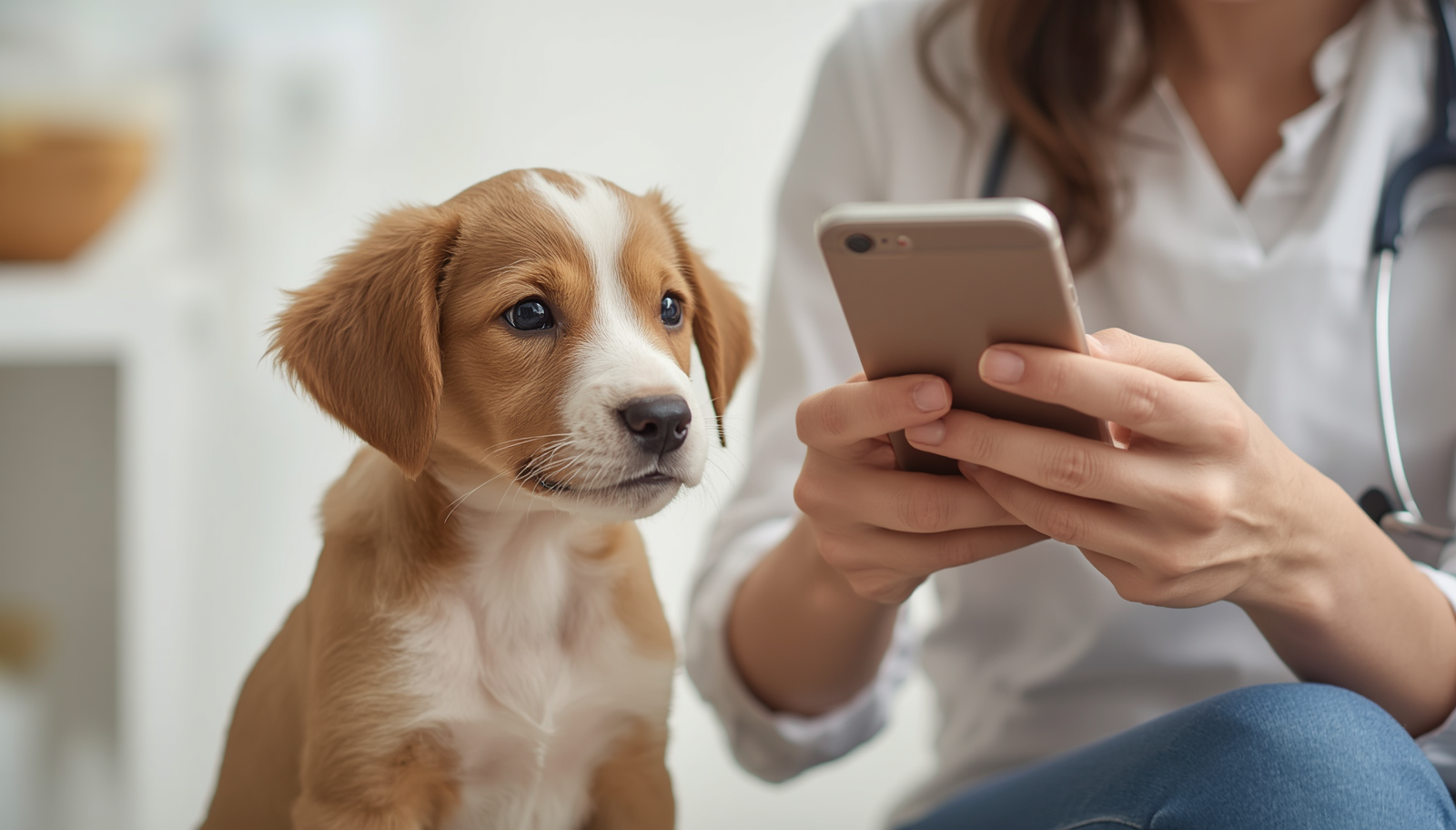
When a puppy comes home, everything feels new.
New routines. New feeding times. New questions. New responsibilities. New little worries.
And one of the most important questions is usually this:
When should my puppy be vaccinated?
It is a very normal question, because during the first months there are several dates that need to be kept under control. Vaccines help protect puppies during a stage when their immune system is still developing.
But it is also a stage where it is easy to forget things.
One vaccine. One booster. One check-up. One deworming date. Another appointment.
And suddenly you have papers, photos of the health card, messages from the clinic and reminders scattered everywhere.
Quick idea: Your puppy’s vaccination schedule should not depend only on memory. Keeping dates organised helps you care better and avoid missed appointments.
With Peludio, you can save vaccines, dates, reminders, check-ups and important notes in one place, so your puppy’s health tracking is much clearer.
*
Quick summary
🐾 Your puppy’s vaccination schedule should always be set by a vet.
🐾 Dates may vary depending on age, health, location and lifestyle.
🐾 Not all vaccines are the same and not all puppies need the exact same plan.
🐾 It is important to save each vaccine date and the next booster date.
🐾 Deworming and check-ups should also be tracked.
🐾 Good tracking helps avoid missed dates and last-minute doubts.
*
Why vaccines matter for puppies
Puppies are in a delicate stage of life.
Their body is still growing and their immune system is still developing. That is why vaccines are part of basic care during the first months.
Vaccination is not just “one injection”.
It is an organised plan that helps protect your puppy from diseases that can be serious.
Each vet may adapt the schedule depending on the puppy’s situation, because not all puppies have the same risk and not all live in the same environment.
Several factors can influence the plan:
🐾 Your puppy’s age.
🐾 Whether your puppy has already received any vaccines.
🐾 Whether your puppy lives with other dogs.
🐾 Whether your puppy will be around many animals.
🐾 Whether your puppy may travel.
🐾 Whether you live in an area with specific risks.
🐾 Whether your puppy has recently been ill.
🐾 Whether your puppy’s immune system needs extra care.
That is why the most important thing is for a professional to review the schedule.
*
When a puppy vaccination schedule starts
A vaccination schedule does not start in the same way for every puppy.
It depends on age, health status and whether the puppy received any vaccines before arriving home.
Many puppies arrive with a first check-up already done, but not always. Sometimes they come with an incomplete record, unclear information or pending vaccines.
That is why the first step should be to book a vet appointment.
During that first visit, the vet can review:
🐾 Your puppy’s approximate age.
🐾 General health.
🐾 Weight.
🐾 Any previous health card or documents.
🐾 Vaccines already given.
🐾 Deworming already done.
🐾 Vaccines still needed.
🐾 Date of the next booster.
Practical tip: If you are not sure about your puppy’s previous information, do not guess dates. Take everything you have to the vet: health card, photos, messages, documents or information from the breeder, shelter or previous caregiver.
*
Which vaccines a puppy may need
The exact vaccines depend on the plan your vet recommends.
Still, many puppy vaccination schedules include protection against important dog diseases.
Your vet may mention vaccines related to:
🐾 Parvovirus.
🐾 Distemper.
🐾 Canine hepatitis.
🐾 Leptospirosis.
🐾 Rabies.
🐾 Kennel cough, depending on the case.
This does not mean that every puppy receives exactly the same vaccines at the same time.
Some vaccines may be essential in many cases. Others may depend on your dog’s lifestyle, where you live, whether your puppy will travel or whether they will be in contact with other dogs.
That is why it is safer to follow your veterinary clinic’s personalised plan instead of copying a generic schedule from the internet.
*
Why boosters are important
Boosters are one of the parts that can create the most confusion.
Sometimes we think that once a puppy has had one vaccine, everything is done. But puppies often need several appointments because the vet has to complete the schedule.
Boosters help build better protection.
The problem is that these dates are easy to forget.
Especially when they happen at the same time as many other things:
🐾 Food changes.
🐾 Deworming.
🐾 Getting used to the new home.
🐾 First walks.
🐾 Basic training.
🐾 Growth check-ups.
🐾 Buying puppy essentials.
🐾 Family routines.
That is why saving each date and setting reminders can prevent many missed appointments.
*
What happens if a vaccine is delayed
It can happen.
Sometimes a date is forgotten, an appointment changes or the puppy cannot be vaccinated because they are not feeling well.
If a vaccine is delayed, the best thing is not to decide on your own what to do.
The right step is to call your veterinary clinic and explain the situation.
Your vet will tell you whether the schedule needs to be adjusted, whether a dose should be repeated or whether you can simply continue with the plan.
The important thing is not to leave it unresolved.
A delay does not mean everything is wrong, but it should be managed properly.
Mini tip: If you are unsure about a pending vaccine, ask before waiting. With puppies, keeping dates clear helps a lot.
*
Vaccines, deworming and going outside
Another common question is whether a puppy can go outside before completing all vaccines.
This should always be discussed with your vet, because it depends on several factors: age, area, health status, vaccines already received and level of risk.
In general, the goal is to find a balance between protection, socialisation and safety.
It is not ideal to expose a puppy to unnecessary risks, but it is also not always ideal to isolate them without professional guidance during an important stage of development.
That is why it is best to ask your clinic directly:
🐾 What your puppy can already do.
🐾 Which places should be avoided.
🐾 Whether your puppy can meet vaccinated dogs.
🐾 When your puppy can go outside more safely.
🐾 When the next vaccine is due.
🐾 Whether deworming is needed before or during the schedule.
This way, you get advice that is adapted to your puppy, not a generic answer.
*
What details to save from the vaccination schedule
Keeping a vaccination schedule organised means more than writing “vaccinated”.
It is useful to save more complete information.
You can record:
🐾 Vaccine date.
🐾 Vaccine name, if shown on the record.
🐾 Veterinary clinic.
🐾 Vet who gave the vaccine, if you know it.
🐾 Next booster date.
🐾 Batch number or label, if available.
🐾 Observations after the vaccine.
🐾 Related deworming.
🐾 Next check-up.
🐾 Photo of the health card or document.
This information can be very useful if you change clinics, travel, lose the health card or need to check your puppy’s health history.
*
How Peludio helps
Peludio can help you keep your puppy’s vaccination schedule much more organised.
You can save vaccines, add reminders, record deworming, track check-ups and keep important notes in one place.
This is especially useful during the first months, because many things happen at the same time.
🐾 First vaccines.
🐾 Boosters.
🐾 Deworming.
🐾 Weight check-ups.
🐾 Food changes.
🐾 First walks.
🐾 Vet visits.
🐾 Growth questions.
With Peludio, you do not have to depend on loose papers or remember everything from memory.
You can keep the information organised and check it whenever you need it.
*
Quick puppy vaccination checklist
You can use this list to check whether everything is under control:
🐾 Do I know which vaccines my puppy has received?
🐾 Do I have the date of the last vaccine saved?
🐾 Do I know when the next booster is due?
🐾 Do I have a photo of the health card?
🐾 Do I know whether deworming is needed before the next vaccine?
🐾 Do I know if my puppy can go outside and under what conditions?
🐾 Do I know which places to avoid for now?
🐾 Do I have the next vet appointment saved?
🐾 Have I recorded any important reaction or comment?
🐾 Are reminders activated?
Mini tip: If you are unsure about any of these points, check the health card and ask your vet. It is always better to ask than to keep doubts.
*
Conclusion
A puppy vaccination schedule is an essential part of the first months of life.
It is not only about giving vaccines.
It is about organising dates, boosters, deworming, check-ups and care so your puppy can grow with proper health tracking.
The most important thing is to:
🐾 Follow your vet’s plan.
🐾 Save every date.
🐾 Do not forget boosters.
🐾 Record deworming.
🐾 Keep photos of the health card.
🐾 Ask whenever you have doubts.
🐾 Use clear reminders.
Your puppy is starting a stage full of changes.
And the better organised their information is, the easier it will be to support them from the beginning.
*
Frequently asked questions
It depends on the puppy’s age, health status and previous vaccines. The best option is to take your puppy to the vet so they can review the case and set the right schedule.
It depends on the puppy, the environment and veterinary advice. Some common vaccines may be related to diseases such as parvovirus, distemper, hepatitis, leptospirosis or rabies, but the exact schedule should always be set by a vet.
The best thing is to contact your veterinary clinic. Your vet can tell you whether the schedule needs to be adjusted, whether a dose should be repeated or whether you can continue with the plan.
It depends on the case and the level of risk. Always ask your vet what your puppy can do, which places to avoid and when going outside will be safer.
Yes. The physical health card or veterinary document is still important. An app like Peludio can help you keep an organised copy, reminders and notes, but it does not replace official documents.
No. Peludio helps you organise your puppy’s health information and reminders, but any medical decision should always be discussed with a vet.
Keep your pet's story in one place
Photos, weight, vaccines and reminders in a living timeline, start free, no card required.
Create my pet's story