
Mandatory dog vaccines in Spain: what you need to know
Learn what you should know about mandatory dog vaccines in Spain, the role of the rabies vaccine and how to keep track of everything.
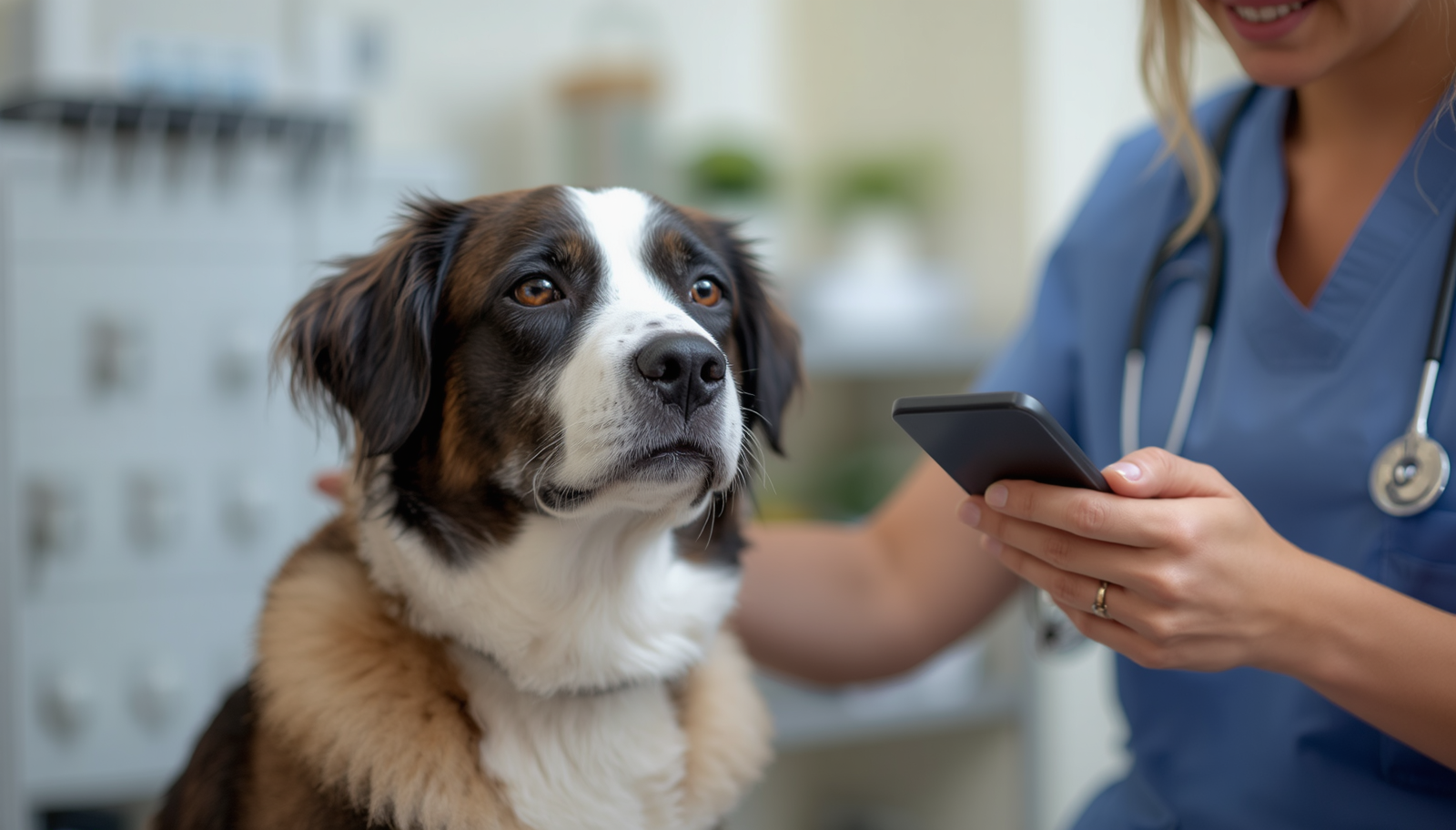
When you have a dog, one of the most common questions is:
Which vaccines are mandatory in Spain?
And the answer is not always as simple as it seems.
Because not all vaccines have the same role.
Some are recommended for health. Some may be required depending on where you live. And some may be essential if you travel with your dog.
The vaccine that usually raises the most questions is the rabies vaccine, because its mandatory status can depend on the autonomous community.
Quick idea: In Spain, mandatory dog vaccines can vary depending on the autonomous community. That is why the safest option is to ask your vet and check the rules in your area.
Also, even when a vaccine is not mandatory in every situation, it can still be very important for protecting your dog’s health.
With Peludio, you can save vaccines, dates, upcoming boosters and photos of the vaccination card to keep everything under control.
*
Quick summary
🐾 The rabies vaccine is the one most commonly linked to legal requirements.
🐾 Mandatory status can vary by autonomous community.
🐾 Some vaccines are not mandatory but are highly recommended.
🐾 If you travel with your dog, rabies vaccination and documentation may be essential.
🐾 Your vet should define the right schedule for your dog.
🐾 Reminders help prevent missed important dates.
*
Mandatory vaccines and recommended vaccines are not the same
It is important to separate mandatory vaccines from recommended vaccines.
A mandatory vaccine is one that may be required by law in a specific area or for a specific situation, such as travel.
A recommended vaccine is one your vet may advise to protect your dog from important diseases, even if it is not always a legal requirement.
In dogs, many vaccines are part of regular preventive care.
But they do not all have the same legal status.
That is why it is important not to rely only on phrases like:
“I heard this vaccine is mandatory.”
Or:
“My neighbour does not give it.”
The safest option is to review each case with a vet.
*
The rabies vaccine in Spain
The rabies vaccine is the vaccine that creates the most confusion when talking about mandatory dog vaccines in Spain.
In many autonomous communities, it is mandatory, but the rules can vary depending on the territory.
That is why you should not assume the situation is the same across the whole country.
If you have a dog, it is wise to check:
🐾 What your autonomous community requires.
🐾 How often the vaccine must be renewed.
🐾 Whether there is a specific age or deadline.
🐾 Whether it also applies to dogs, cats or ferrets.
🐾 Whether it is needed for travel.
🐾 How it should appear in the vaccination card or passport.
Your vet is the right person to guide you based on your location and your dog’s real needs.
*
What happens if you travel with your dog
If you travel with your dog, vaccines and documents become even more important.
For many trips, especially outside Spain, it is not enough for your dog to be healthy.
You may need to prove that your dog meets specific requirements.
The details that are often checked include:
🐾 Microchip identification.
🐾 Valid rabies vaccination.
🐾 Passport or official documentation.
🐾 Correct vaccination dates.
🐾 Veterinary signature and stamp.
🐾 Specific requirements of the destination country.
Before travelling, always check the destination rules and speak with your vet.
Do not leave it until the last minute, because some vaccines or documents may require previous waiting periods.
*
Common vaccines in dogs
Besides rabies, there are other common vaccines that vets may recommend to protect your dog’s health.
The schedule will depend on age, lifestyle, where your dog lives, health status and exposure risk.
Some vaccines commonly included in preventive care may relate to diseases such as:
🐾 Distemper.
🐾 Parvovirus.
🐾 Infectious canine hepatitis.
🐾 Leptospirosis.
🐾 Kennel cough.
🐾 Rabies.
Not all of them will have the same level of recommendation for every dog.
That is why it is so important for a vet to define the schedule.
*
Puppies: why the schedule matters so much
In puppies, vaccination is especially important.
During the first months, the immune system is still developing, and the vet usually plans a schedule with several doses and boosters.
The goal is to protect the puppy during a vulnerable stage.
At this stage, it is important to track:
🐾 First vet visit.
🐾 Start of the vaccination schedule.
🐾 Boosters.
🐾 Pending dates.
🐾 Deworming.
🐾 Weight.
🐾 Recommendations before going outside.
🐾 Next check-up.
Not all puppies follow exactly the same schedule.
It depends on age, origin, health status and veterinary criteria.
*
Adult dogs: do not forget boosters
Many people pay close attention to vaccines when their dog is a puppy, but relax once the dog becomes an adult.
That is when missed dates can happen.
Adult dogs may also need regular boosters depending on their schedule and situation.
That is why it is useful to save:
🐾 Date of the last vaccine.
🐾 Next recommended date.
🐾 Type of vaccine.
🐾 Clinic where it was given.
🐾 Photo of the vaccination card.
🐾 Automatic reminder.
If your dog is already an adult and you are not sure which vaccines are up to date, speak with your vet to review the situation.
*
Senior dogs: more organised tracking
In senior dogs, keeping vaccines and check-ups organised is also important.
As a dog ages, they may need more monitoring or adapted care.
The vet will assess which schedule is appropriate based on the dog’s health.
At this stage, it is useful to track:
🐾 Vaccines.
🐾 Check-ups.
🐾 Weight.
🐾 Medication.
🐾 Previous illnesses.
🐾 Allergies.
🐾 Energy changes.
🐾 Veterinary documents.
The clearer the history is, the easier it becomes to support your dog properly at this stage.
*
What to save for each vaccine
It is not enough to know that a vaccine was given.
Ideally, you should save the full information so you can check it later.
For each vaccine, you can save:
🐾 Vaccine name.
🐾 Date given.
🐾 Next recommended date.
🐾 Veterinary clinic.
🐾 Vet or stamp, if shown.
🐾 Photo of the vaccination card.
🐾 Observations.
🐾 Possible reactions, if any.
This information can be useful for check-ups, travel, changing vets or emergencies.
*
Common mistakes to avoid
With dog vaccines, there are some very common mistakes.
Many happen because of forgetfulness, not lack of care.
Try to avoid:
🐾 Not knowing when the last vaccine was given.
🐾 Losing the physical vaccination card.
🐾 Not checking whether rabies is valid before travelling.
🐾 Thinking every autonomous community has exactly the same rules.
🐾 Not asking the vet about boosters.
🐾 Not saving photos of the card.
🐾 Not activating reminders.
🐾 Leaving everything until the last minute before a trip.
A little organisation can prevent many problems.
*
How Peludio helps
Peludio can help you keep track of your dog’s vaccines more easily.
You can save important information and activate reminders so you do not rely only on memory.
With Peludio, you can organise:
🐾 Vaccines.
🐾 Dates given.
🐾 Upcoming boosters.
🐾 Deworming.
🐾 Check-ups.
🐾 Weight.
🐾 Photos of the vaccination card.
🐾 Documents.
🐾 Vet notes.
🐾 Reminders.
The goal is to keep your dog’s health information more organised and accessible, especially when you need to check a date quickly.
*
Quick vaccine checklist for dogs in Spain
You can use this list as a starting point:
🐾 I have asked my vet which vaccines my dog needs.
🐾 I know whether the rabies vaccine is mandatory in my autonomous community.
🐾 I have saved the date of the last vaccine.
🐾 I know when the next booster is due.
🐾 I have a photo of the vaccination card.
🐾 I have the microchip details under control.
🐾 I have reminders activated.
🐾 I have checked the requirements if I am going to travel.
🐾 I have official documentation located.
🐾 I do not rely only on memory.
Mini tip: If you do not know where to start, check your dog’s vaccination card today and save the date of the last vaccine and the next booster.
*
Conclusion
Talking about mandatory dog vaccines in Spain requires keeping one important detail in mind: rules can vary depending on the autonomous community.
The rabies vaccine is the one most often associated with legal requirements, but it is always best to confirm the specific situation with your vet and the rules in your area.
Also, even when some vaccines are not mandatory, they can be very important for protecting your dog’s health.
The most practical thing is to keep track of:
🐾 Which vaccines your dog has.
🐾 When they were given.
🐾 When the next booster is due.
🐾 What your autonomous community requires.
🐾 What documents you need if you travel.
🐾 Where the vaccination card is.
🐾 Which reminders are active.
Caring for your dog also means keeping their health documented and organised.
And when dates are clear, everything becomes much easier.
*
Frequently asked questions
The vaccine most commonly linked to legal requirements is rabies, but the rules can vary depending on the autonomous community. The safest option is to confirm it with your vet and check the rules in your area.
It is not wise to generalise, because mandatory status can depend on the autonomous community. Always check local rules and ask your vet.
It depends on age, health, lifestyle and where the dog lives. A vet may recommend vaccines against diseases such as distemper, parvovirus, hepatitis, leptospirosis, kennel cough or rabies.
For many trips, especially international ones, a valid rabies vaccine may be required. Always check destination requirements before travelling.
It is useful to save the vaccine name, date, next booster, clinic, photo of the vaccination card and any veterinary observations.
No. Peludio helps you organise vaccines, dates, documents and reminders, but the vaccination schedule should always be set by a vet.
Keep your pet's story in one place
Photos, weight, vaccines and reminders in a living timeline, start free, no card required.
Create my pet's story