
How to calculate your dog’s age in human years
Learn how to calculate your dog’s age in human years and why size, health and life stage matter when caring for your dog.
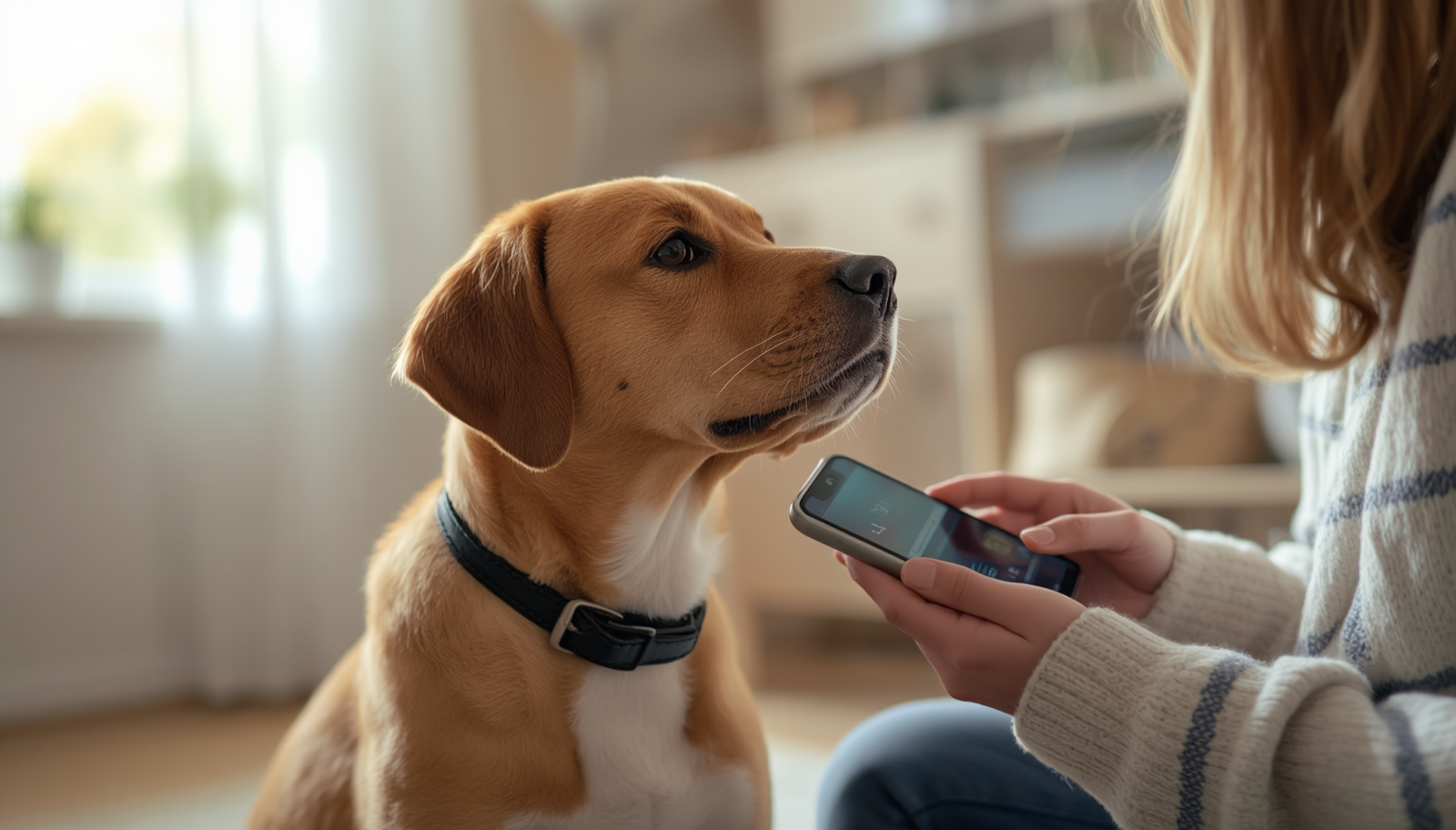
You have probably heard that one dog year equals seven human years.
It sounds simple, right?
But when you live with a dog, you quickly realise that this rule does not always fit.
A one-year-old puppy does not behave like a seven-year-old child. They have already grown a lot, learned routines, changed physically and, in many cases, reached a fairly advanced level of maturity.
And the other way around: an eight-year-old dog is not always “old”. It depends a lot on their size, breed, health and lifestyle.
Quick idea: Your dog’s age is not calculated only by multiplying by 7. That rule can guide you, but it falls short.
Calculating your dog’s age in human years can help you understand which life stage they are in and what kind of care they may need.
And if you also save their weight, vaccines, check-ups and important changes, you get a much clearer picture of their health.
That is where Peludio can help you keep everything more organised.
*
Quick summary
🐾 Multiplying by 7 is a very basic rule.
🐾 Small, medium and large dogs do not age in the same way.
🐾 A dog’s first year of life involves many changes.
🐾 Human-age estimates help you understand their needs better.
🐾 The important thing is not to obsess over the number, but to observe progress.
🐾 Saving data such as weight, vaccines and check-ups helps you care better.
*
Why the 7-year rule is not enough
The 7-year rule starts from a very simple idea:
“If humans live longer than dogs, each dog year is roughly equivalent to seven human years.”
But real ageing does not work like that.
Dogs grow very quickly during their first months of life. In their first year, they go through many changes:
🐾 Their teeth change.
🐾 They gain weight.
🐾 They learn routines.
🐾 Their body develops.
🐾 Their personality starts to form.
🐾 They go from dependent puppy to young dog.
That first year cannot simply be compared to “seven human years”.
After that, the ageing pace also changes. And this is where one very important factor comes in: your dog’s size.
A small dog usually ages more slowly than a large dog. That is why two dogs of the same age can be in very different life stages.
*
A dog’s age changes depending on size
When we talk about dog age, size matters a lot.
An 8-year-old Chihuahua is not the same as an 8-year-old Great Dane.
A small dog may still have plenty of energy at that age. A large dog may already be entering a senior stage and may need more monitoring, more rest or more frequent check-ups.
As a general guide
🐾 Small dogs: often reach the senior stage later.
🐾 Medium dogs: usually have an intermediate evolution.
🐾 Large dogs: often mature and age earlier.
🐾 Giant dogs: may need senior tracking earlier than other dogs.
This does not mean that all large dogs age badly or that all small dogs live many years without problems.
Every dog is unique.
But size helps us understand their age better.
*
Why it is useful to know your dog’s human age
Knowing your dog’s approximate age in human years is not just a fun fact.
It can also help you make better everyday decisions.
For example, it can help you review:
🐾 Whether they need more vet check-ups.
🐾 Whether their activity level is still suitable.
🐾 Whether they are at a stage where weight should be monitored more closely.
🐾 Whether you should adapt their food.
🐾 Whether some behaviour changes may be related to age.
🐾 Whether it is time to start more detailed tracking.
Sometimes, changes are small.
One day they sleep a little more. Another day they struggle to jump on the sofa. Another day they seem to get tired earlier during a walk.
Because these details are subtle, they are easy to miss.
But when you write them down, you start to see a clearer story.
Practical tip: Do not wait for a problem to start saving information. The sooner you have a health history, the easier it is to notice changes.
*
What information to save together with age
Age by itself is useful, but it becomes much more valuable when connected with other data.
It is not the same to know:
“My dog is 9 years old.”
As it is to know:
“My dog is 9 years old, has lost one kilo in recent months, sleeps more than usual and has a vet check-up pending.”
The second sentence tells a much more useful story.
That is why, besides age, it is worth saving information such as:
🐾 Current weight.
🐾 Weight progress.
🐾 Vaccines.
🐾 Deworming.
🐾 Vet check-ups.
🐾 Behaviour changes.
🐾 Medication.
🐾 Allergies.
🐾 Progress photos.
🐾 Important notes.
🐾 Upcoming appointments.
🐾 Reminders.
This is not about making dog care complicated.
Quite the opposite.
It is about keeping everything organised so you do not have to rely only on memory.
Because memory fails. And when you are at the vet, nervous or in a rush, you will be grateful to have the information at hand.
*
How Peludio helps
Peludio is designed exactly for this: so you do not lose your dog’s story among papers, loose photos, WhatsApp messages and mental reminders.
With Peludio, you can save:
🐾 Age and life stage.
🐾 Weight and progress.
🐾 Vaccines.
🐾 Deworming.
🐾 Vet check-ups.
🐾 Photos.
🐾 Important notes.
🐾 Reminders.
So when you want to know which stage your dog is in, you do not need to look at scattered data. You can see their progress more clearly.
And that helps a lot.
It helps you care better. It helps you remember better. It helps you explain things better during a vet visit.
*
Quick checklist to care better according to age
You can use this small list as a quick guide:
🐾 Do I know which life stage my dog is in?
🐾 Do I have their current weight written down?
🐾 Do I know when their last vaccine was?
🐾 Do I have the next deworming under control?
🐾 Have I noticed changes in their energy?
🐾 Are they sleeping more than usual?
🐾 Are they eating as usual?
🐾 Do they struggle to move, climb stairs or jump?
🐾 Do I have their vet check-ups saved?
🐾 Do I have photos or notes about their progress?
Mini tip: If you answered “no” to several questions, it may be a good time to start organising your dog’s information in one place.
*
Conclusion
Calculating your dog’s age in human years may seem like a simple curiosity, but it can actually be the first step to understanding their life stage better.
The 7-year rule is easy to remember, but it is not enough.
Dogs do not all age in the same way. Size, breed, health and lifestyle have a big influence.
That is why the most useful thing is not to obsess over an exact number.
The most useful thing is to:
🐾 Observe.
🐾 Write things down.
🐾 Review.
🐾 Save important information.
🐾 Speak with your vet when something changes.
Your dog is not just an age.
They are a complete story.
And the better you save that story, the better you can support them through every stage.
*
Frequently asked questions
It works as a very basic guide, but it is not precise. Dogs do not age in a linear way, and size has a big influence on their ageing rhythm.
The best option is to use a dog age calculator that considers your dog’s size. This gives you a more realistic estimate than simply multiplying by 7.
In general, small dogs often reach the senior stage later than large dogs, although every dog can evolve differently.
It helps you understand their life stage better and adapt care, check-ups, food, activity and health tracking.
A monthly review may be enough for information such as weight, notes or behaviour changes. It is also useful to update the information after every vet visit.
No. This information is only a guide and helps you organise your dog’s care better. If you notice symptoms, sudden changes or have health concerns, always speak with your vet.
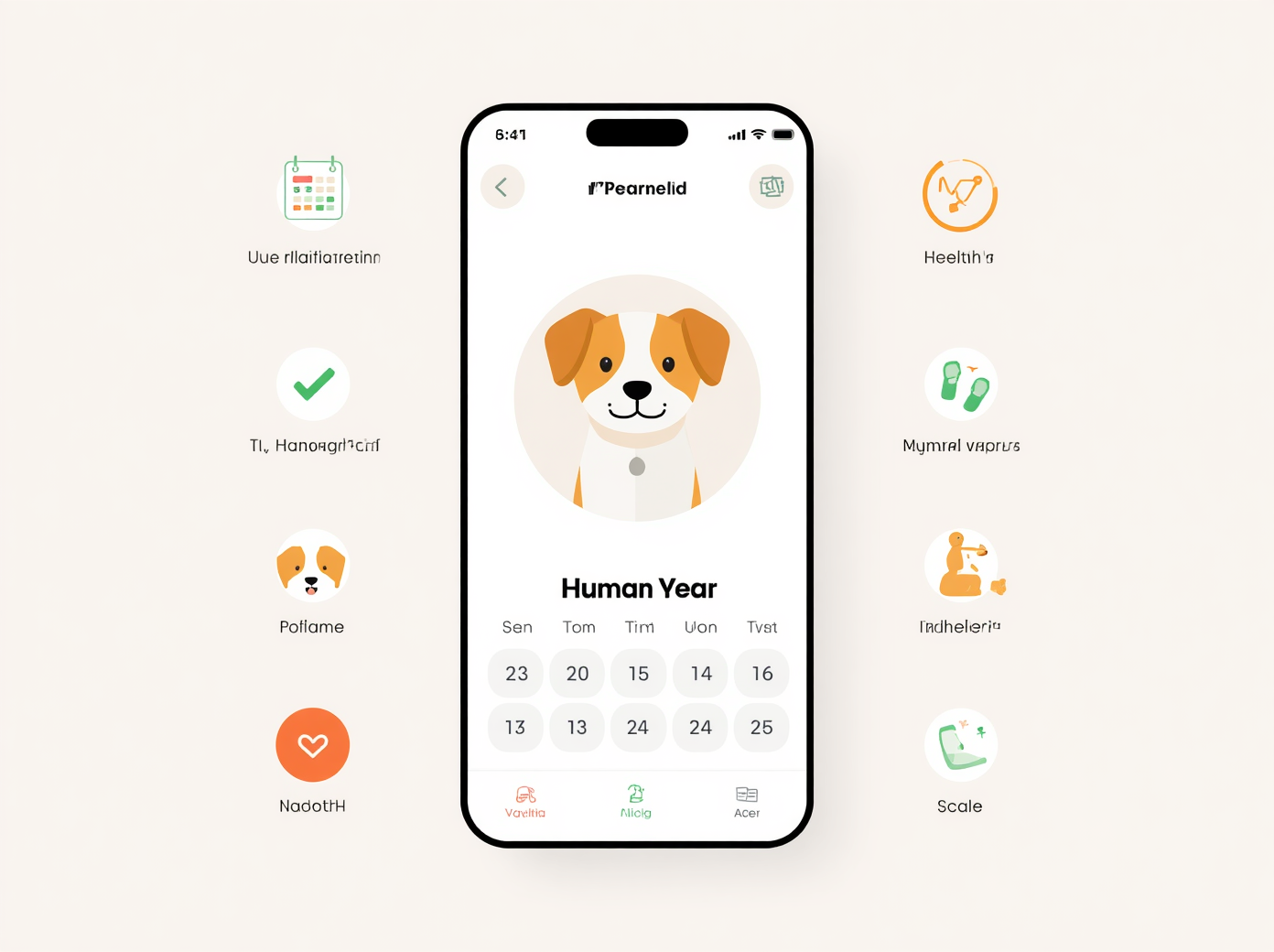
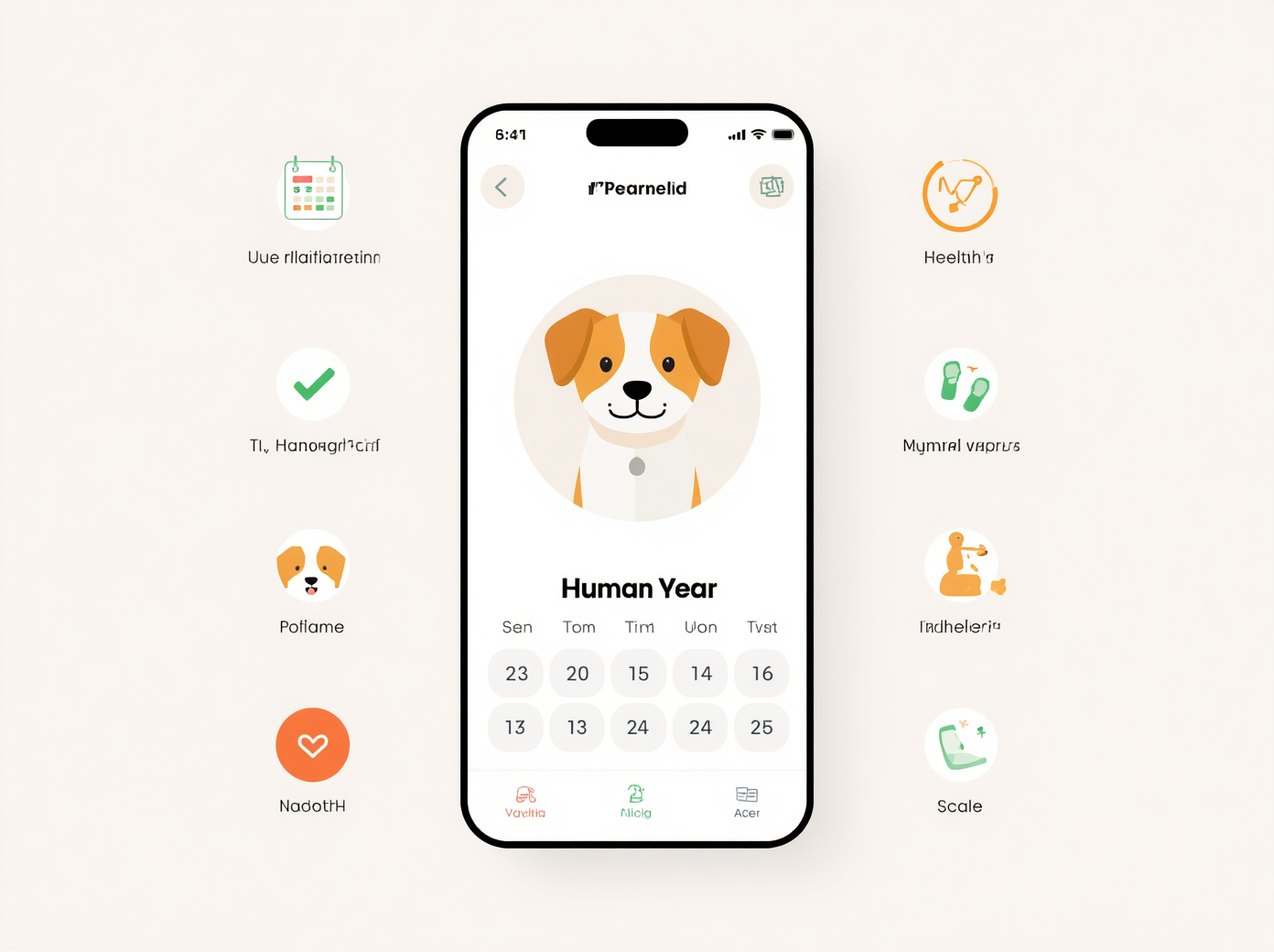
Keep your pet's story in one place
Photos, weight, vaccines and reminders in a living timeline — start free, no card required.
Create my pet's story