
Digital veterinary history for pets: what it is and why to keep it organised
Learn why having a digital veterinary history can help you care better for your pet and keep their health information always at hand.
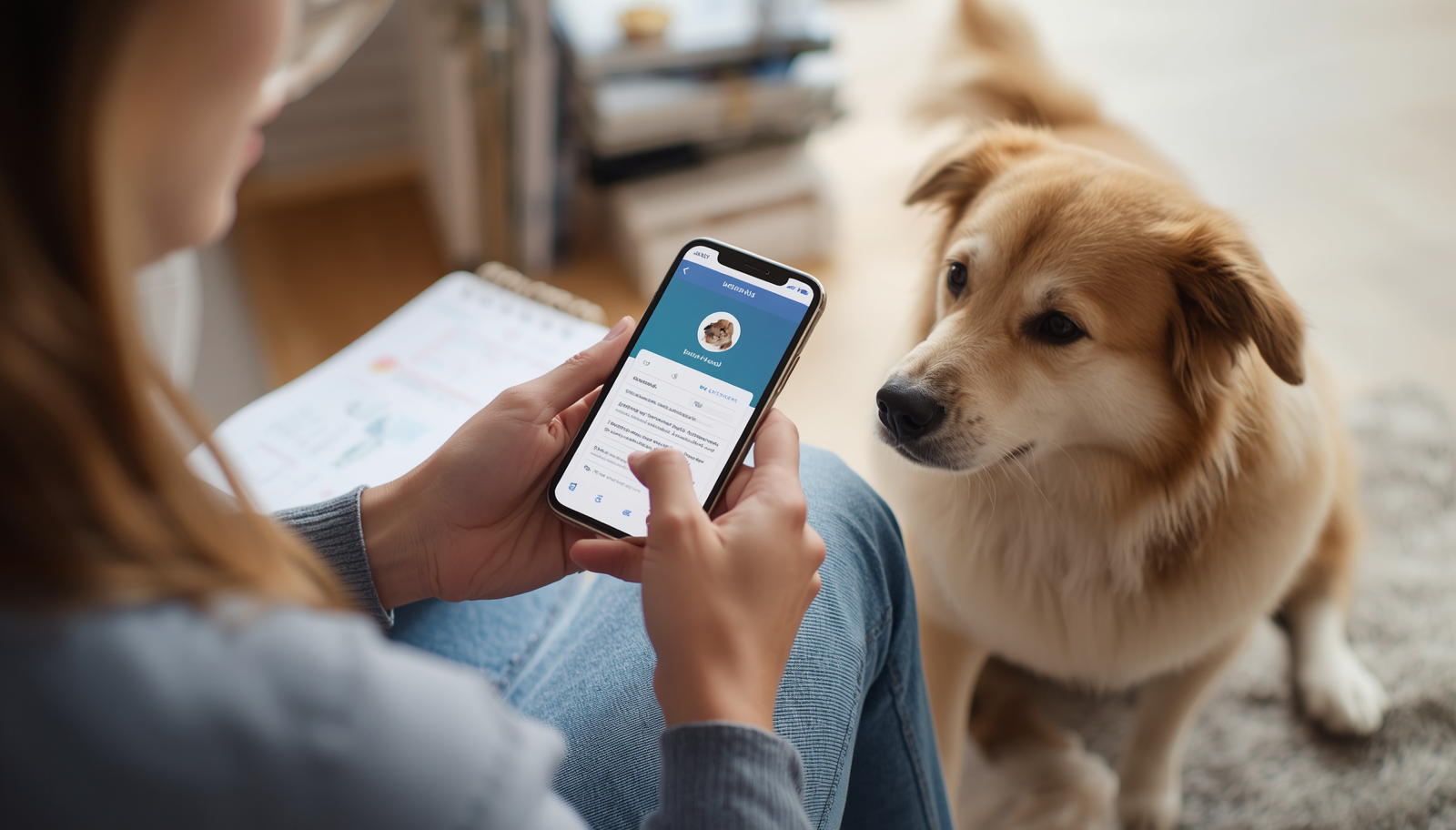
A pet’s health is not understood through one single vet visit.
It is understood through everything that has happened over time.
Vaccines. Check-ups. Weight changes. Deworming. Medication. Important notes. Small symptoms that may seem minor one day, but later can help explain something more clearly.
That is why having a digital veterinary history for pets can make a big difference.
It is not about saving data for the sake of it.
It is about having a clearer view of your dog, cat or other pet’s health, without relying only on memory or scattered papers.
Quick idea: A digital veterinary history helps you keep your pet’s health information organised, accessible and easy to check when you need it.
With Peludio, you can save vaccines, weight, check-ups, deworming, photos, documents, notes and reminders to keep your pet’s health tracking much more organised.
*
Quick summary
🐾 A digital veterinary history brings your pet’s health information together.
🐾 It helps you remember vaccines, check-ups, weight and treatments.
🐾 It is useful in emergencies, when changing vets or when travelling.
🐾 It does not replace your vet or official documents.
🐾 It makes changes easier to detect.
🐾 It helps you care better at every life stage.
*
What is a digital veterinary history?
A digital veterinary history is a space where you can save your pet’s important health information.
It can include basic details, vaccines, check-ups, weight, deworming, reports, medication, allergies, photos and notes.
The idea is to keep all that information organised and easy to check.
Because in real life, many details end up spread across too many places.
In the physical card. On your phone. In old messages. In emails. In papers from the clinic. In your memory.
And when you need something specific, it can be hard to find.
A digital history helps bring all of that into one place.
*
Why keeping a health history matters
Many times, we only think about veterinary history when something happens.
An emergency. A check-up. A change of vet. A trip. A pending vaccine. A medication we cannot remember clearly.
But a health history is not only useful in complicated moments.
It also helps you understand your pet’s progress over time.
For example, it can help you see:
🐾 Whether your pet has gained or lost weight.
🐾 Whether there have been several visits for the same reason.
🐾 Whether a vaccine booster is coming up.
🐾 Whether deworming has been delayed.
🐾 Whether a symptom has repeated.
🐾 Whether a medication had been used before.
🐾 Whether there are patterns worth discussing with the vet.
When the information is organised, it is easier to explain what is happening.
And that can be very helpful during a consultation.
*
What should a digital veterinary history include?
A digital history does not need to be complicated.
The important thing is to save information that can help you care better for your pet.
You can start with the basics:
🐾 Pet’s name.
🐾 Species.
🐾 Breed or breed mix.
🐾 Date of birth or approximate age.
🐾 Current weight.
🐾 Sex.
🐾 Microchip number, if applicable.
🐾 Caregiver details.
🐾 Usual veterinary clinic.
Then you can add the health section:
🐾 Vaccines.
🐾 Deworming.
🐾 Veterinary check-ups.
🐾 Medication.
🐾 Allergies.
🐾 Previous illnesses.
🐾 Surgeries.
🐾 Veterinary tests.
🐾 Reports.
🐾 Document photos.
🐾 Important notes.
🐾 Upcoming appointments.
You do not need to complete everything on the first day.
You can build it gradually.
*
Vaccines, deworming and reminders
Vaccines and deworming are some of the most important things to keep under control.
They are also some of the easiest to forget.
Especially when there is more than one pet at home or when your pet has several appointments throughout the year.
In a digital veterinary history, you can save:
🐾 Vaccine date.
🐾 Vaccine name.
🐾 Next booster.
🐾 Deworming date.
🐾 Type of deworming.
🐾 Product used, if you want to note it.
🐾 Vet comments.
🐾 Reminders for upcoming dates.
This helps you avoid phrases like:
“I think it is due soon.”
Or:
“I think the last one was in spring.”
When the date is saved, everything is clearer.
*
Weight and physical changes
Weight is one of the most useful signs for tracking a pet’s health.
It does not only matter in puppies, kittens or senior pets.
It is also important in adult pets, animals that tend to gain weight, pets with illnesses or pets whose activity level has changed.
Saving weight with a date lets you see progress over time.
You can detect:
🐾 Gradual weight gain.
🐾 Weight loss without a clear reason.
🐾 Changes after a diet.
🐾 Changes after an illness.
🐾 Growth progress.
🐾 Changes during the senior stage.
Sometimes, one single number does not say much.
But several numbers saved over time can tell a story.
*
Veterinary reports, tests and documents
Vets often provide reports, test results, prescriptions or instructions.
At the time, they seem easy to remember.
But over time, details fade.
That is why saving photos or documents in a digital history is useful.
You can save:
🐾 Veterinary reports.
🐾 Blood test results.
🐾 X-rays or tests, if you have them digitally.
🐾 Prescriptions.
🐾 Treatment instructions.
🐾 Vaccine proof.
🐾 Travel documents.
🐾 Microchip details.
🐾 Photos of the physical card.
This does not replace the original documents, but it helps you keep them easier to find.
*
Everyday notes: the small things also matter
Not everything important appears in a veterinary report.
Sometimes the important signs start at home.
A change in appetite. More tiredness. Unusual behaviour. Occasional vomiting. A limp that comes and goes. More thirst than usual. Less interest in playing.
It does not always mean there is a serious problem, but it can be useful to write it down if it repeats or worries you.
In a digital history, you can save notes such as:
🐾 Appetite changes.
🐾 Energy changes.
🐾 Sleep changes.
🐾 Digestive issues.
🐾 Skin or coat changes.
🐾 Behaviour changes.
🐾 Notes after a vet visit.
🐾 Reactions to food or medication.
These notes help you explain what you have observed more clearly.
And when you go to the vet, you do not have to rely only on memory.
*
Why it is useful if you change vets
Changing vets can happen for many reasons.
Moving home. Changing clinic. An emergency outside your city. A second opinion. Travelling.
In those cases, having an organised history makes things much easier.
You can quickly review:
🐾 Vaccines received.
🐾 Previous illnesses.
🐾 Current medication.
🐾 Allergies.
🐾 Recent weight.
🐾 Previous reports.
🐾 Latest check-ups.
🐾 Important documents.
The more useful information you have at hand, the easier it is to explain the situation.
*
Why it is useful when several people care for the pet
In many families, a pet is not cared for by just one person.
Your partner, children, parents, a caregiver, a family member or a boarding service may also help.
When the information is digital and organised, it is easier to share what matters.
For example:
🐾 What medication the pet takes.
🐾 When the last check-up was.
🐾 Whether there are allergies.
🐾 Which vaccines have been given.
🐾 Which notes should be considered.
🐾 What to remember if there is an upcoming appointment.
This avoids confusion and helps everyone care for the pet with the same information.
*
How Peludio helps
Peludio is designed to help you keep your pet’s life and health more organised.
You can save important information and check it whenever you need it.
With Peludio, you can organise:
🐾 Basic details.
🐾 Age.
🐾 Weight.
🐾 Vaccines.
🐾 Deworming.
🐾 Check-ups.
🐾 Photos.
🐾 Documents.
🐾 Notes.
🐾 Reminders.
The idea is not to make your life more complicated.
It is to give you one place to keep what matters, without depending on loose papers or memory.
*
Quick checklist to start your digital veterinary history
You can start with this list:
🐾 Save your pet’s basic details.
🐾 Add their current weight.
🐾 Take a photo of the physical card.
🐾 Add the latest vaccines.
🐾 Check upcoming important dates.
🐾 Add recent deworming.
🐾 Save important reports or documents.
🐾 Add allergies or medication, if any.
🐾 Write relevant notes.
🐾 Activate reminders.
Mini tip: Do not try to make it perfect on the first day. Start with the most important information and complete it gradually.
*
Conclusion
A digital veterinary history for pets can help you care with more clarity and less chaos.
It does not replace your vet or official documents, but it does help you keep important information better organised.
It is useful for remembering dates, reviewing vaccines, tracking weight, saving documents and explaining changes more clearly.
The most important things to save are:
🐾 Basic details.
🐾 Vaccines.
🐾 Deworming.
🐾 Weight.
🐾 Check-ups.
🐾 Reports.
🐾 Medication.
🐾 Important notes.
🐾 Reminders.
Because caring for a pet is not only about loving them deeply.
It is also about being able to support them with clear information at every stage of their life.
*
Frequently asked questions
It is a digital space where you can save your pet’s health information, such as vaccines, weight, check-ups, deworming, reports, documents, medication and important notes.
No. A digital history helps you organise information, but any medical decision should always be discussed with a vet.
You can save basic details, vaccines, deworming, weight, check-ups, veterinary reports, medication, allergies, documents and reminders.
Yes. Keeping the history organised is also useful when your pet is healthy, because it helps keep vaccines, check-ups and weight changes under control.
Yes. Saving clear photos of cards, reports, prescriptions or documents can help you check the information when you do not have the physical paper with you.
Yes. Peludio helps you save and organise important details such as weight, vaccines, check-ups, deworming, photos, documents, notes and reminders.
*
Keep your pet's story in one place
Photos, weight, vaccines and reminders in a living timeline, start free, no card required.
Create my pet's story