
Digital veterinary card for dogs: what it is and how to organise it
Learn what a digital veterinary card for dogs is, what information it should include and how it can help you keep your dog’s health more organised.
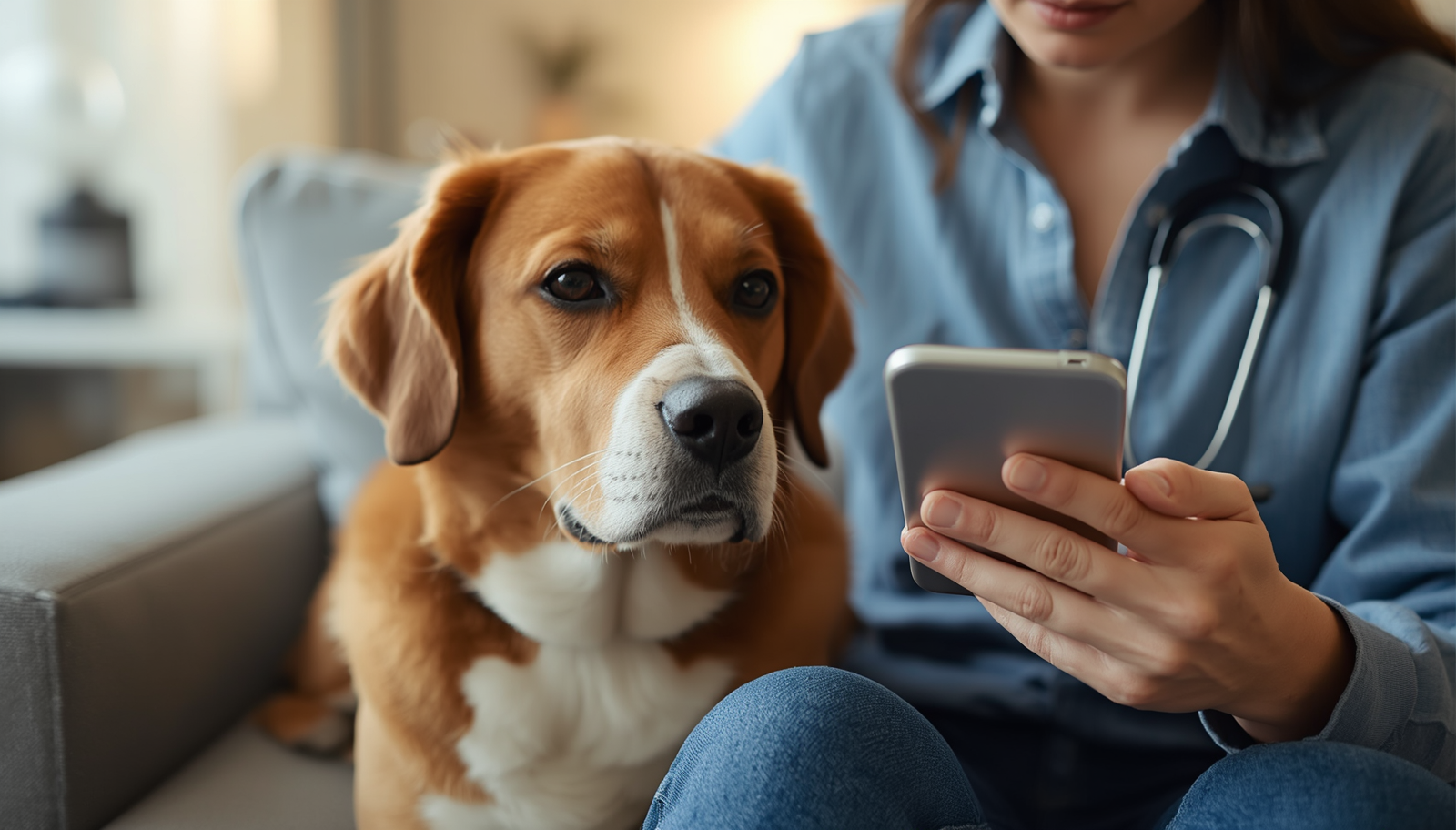
Your dog’s veterinary card is one of those documents you know is important… but it often ends up lost among papers, phone photos and old messages.
One day you need to check a vaccine. Another day you want to know when the last deworming was. Another day someone asks about a previous check-up.
And that is when the search begins.
You look in a drawer. You search your photo gallery. You check old messages. You try to remember what the vet said.
That is why having a digital veterinary card for dogs makes more and more sense.
Quick idea: A digital veterinary card helps you keep your dog’s important health information organised and easy to access, while the physical card or official documents remain important.
It is not about replacing your vet or removing official documents.
It is about having an organised copy that is easy to check when you need it.
With Peludio, you can save vaccines, weight, deworming, check-ups, notes, photos and reminders to make your dog’s health tracking much clearer.
*
Quick summary
🐾 The physical veterinary card is still important.
🐾 A digital card makes information easier to access.
🐾 You can save vaccines, deworming, check-ups and weight.
🐾 You can also add document photos and important notes.
🐾 It is useful if you change vets, travel or face an emergency.
🐾 Reminders help you avoid missing key dates.
*
What is a digital veterinary card?
A digital veterinary card is a way to keep your dog’s health information organised in digital format.
It can include basic details, vaccines, deworming, check-ups, weight, documents, photos and important notes.
The idea is simple:
To keep in one place what is usually spread across papers, photos, messages and memory.
A digital card can help you quickly check:
🐾 Which vaccines your dog has received.
🐾 When the last vaccine was given.
🐾 When the next booster is due.
🐾 Which deworming treatments your dog has had.
🐾 Your dog’s current weight.
🐾 Which check-ups have been done.
🐾 Which important notes should be remembered.
🐾 Which documents are saved.
This does not mean you should throw away the physical card.
The physical card or veterinary document is still important, especially for procedures, travel or official checks.
The digital version works as support to keep everything better organised.
*
Why having it digital can be useful
Real life is not always organised.
Sometimes the card is at home, but you are outside. Sometimes you have a photo of a vaccine, but you do not know where. Sometimes you remember there was an important date, but not which one.
A digital veterinary card helps precisely in those moments.
It can be useful if:
🐾 You change veterinary clinics.
🐾 You go to an emergency visit.
🐾 You travel with your dog.
🐾 You need to review vaccines.
🐾 You want to track deworming.
🐾 You have a puppy with several appointments.
🐾 Your dog is senior and has more check-ups.
🐾 Several people care for your dog.
🐾 You want to avoid missed dates.
Having the information digitally does not create more work.
Quite the opposite.
It helps you rely less on memory.
*
What basic details should it include?
A good digital veterinary card should start with your dog’s basic details.
It does not need to be complicated.
But it is useful to have the essential information saved clearly.
You can include:
🐾 Dog’s name.
🐾 Date of birth or approximate age.
🐾 Breed or breed mix.
🐾 Size.
🐾 Sex.
🐾 Current weight.
🐾 Microchip number, if applicable.
🐾 Caregiver’s name.
🐾 Vet contact.
🐾 Usual veterinary clinic.
These details may seem very simple, but they can be useful in an emergency, during travel or if someone else needs to care for your dog.
*
What health information should you save?
Besides basic details, a digital card should include health-related information.
This is where it becomes really useful.
You can save:
🐾 Vaccines.
🐾 Upcoming boosters.
🐾 Internal deworming.
🐾 External parasite control.
🐾 Veterinary check-ups.
🐾 Medication.
🐾 Allergies.
🐾 Previous illnesses.
🐾 Surgeries.
🐾 Veterinary tests.
🐾 Weight changes.
🐾 Important notes.
You do not need to write absolutely everything.
The goal is to save the information that can help you understand your dog’s health better and explain changes more clearly.
For example, it is not the same to say:
“I think my dog had a vaccine a few months ago.”
As it is to check:
“The last vaccine was on this date, at this clinic, and the next booster was recommended for this month.”
The second option gives much more peace of mind.
*
Vaccines and deworming: the dates most often forgotten
Vaccines and deworming are two of the most important details to keep under control.
And they are also some of the easiest to forget.
Especially if you have a puppy or if your dog needs several reminders throughout the year.
In a digital veterinary card, you can save:
🐾 Date of each vaccine.
🐾 Name of the vaccine.
🐾 Next booster.
🐾 Deworming date.
🐾 Type of deworming.
🐾 Product used, if you want to note it.
🐾 Vet comments.
🐾 Photo of the physical card.
This allows you to review everything much faster and avoid last-minute doubts.
*
Weight and progress also matter
Many people think of the veterinary card only as a place for vaccines.
But weight is also very important information.
Weight helps you understand your dog’s progress, especially if your dog is a puppy, senior or following veterinary guidance.
Saving weight can help you see:
🐾 Whether your dog is growing well.
🐾 Whether your dog has gained weight.
🐾 Whether your dog has lost weight without explanation.
🐾 Whether a diet is working.
🐾 Whether there are changes with age.
🐾 Whether you should speak with your vet.
When weight is saved with a date, it becomes a story.
And that story can be very useful.
*
Important documents and photos
One advantage of having a digital veterinary card is being able to save photos or documents.
You do not always need to have the physical paper with you to check information.
You can save images of:
🐾 Vaccination card.
🐾 Vet reports.
🐾 Test results.
🐾 Prescriptions.
🐾 Vaccine proof.
🐾 Travel documents.
🐾 Microchip details.
🐾 Vet instructions.
This can help if you are away from home, if you change clinics or if you need to check something quickly.
Mini tip: Take clear photos, with good light and without cutting off important details. A blurry photo of a veterinary card may not help when you need it most.
*
Digital card and travelling with your dog
If you travel with your dog, organised information becomes even more important.
Depending on the destination, you may need documents, vaccines, microchip details, passport or specific certificates.
Rules may change depending on country or region, so it is always important to check official sources and speak with your vet before travelling.
Still, a digital card can help you keep at hand:
🐾 Vaccines.
🐾 Rabies vaccine date, if applicable.
🐾 Microchip.
🐾 Vet details.
🐾 Document photos.
🐾 Pre-travel reminders.
🐾 Important notes.
It does not replace official documents, but it can help you keep everything easier to find.
*
How Peludio helps
Peludio can work as a digital space to organise your dog’s important information.
You can save vaccines, deworming, weight, check-ups, photos, notes and reminders.
This is useful if:
🐾 You want to keep the veterinary card better organised.
🐾 You have a puppy.
🐾 Your dog needs health tracking.
🐾 You travel with your dog.
🐾 Several people care for your dog.
🐾 You struggle to remember dates.
🐾 You want to have your dog’s details at hand.
With Peludio, information stops being scattered and becomes part of a clearer health history.
*
Quick checklist to organise a digital veterinary card
You can use this list as a guide:
🐾 Do I have my dog’s basic details saved?
🐾 Do I have a clear photo of the physical card?
🐾 Are vaccines saved?
🐾 Do I know when the next booster is due?
🐾 Is deworming under control?
🐾 Is weight recorded?
🐾 Are vet check-ups saved?
🐾 Are allergies or medication noted?
🐾 Are important documents saved digitally?
🐾 Are reminders activated?
Mini tip: If you can only do one thing today, start by taking a clear photo of the physical veterinary card and saving the date of the next vaccine or check-up.
*
Conclusion
A digital veterinary card for dogs does not replace the physical card or official documents, but it can help a lot in everyday life.
It allows you to keep important information more organised, accessible and easy to check.
The most useful things to save are:
🐾 Basic details.
🐾 Vaccines.
🐾 Deworming.
🐾 Weight.
🐾 Check-ups.
🐾 Document photos.
🐾 Important notes.
🐾 Reminders.
Caring for a dog means remembering many things.
And it is not always easy to do everything from memory.
That is why having an organised digital version can give you peace of mind and help you care better for your dog at every stage.
*
Frequently asked questions
It is a way to save important dog health information in digital format, such as vaccines, deworming, weight, check-ups, documents and reminders.
No. The physical card or official documents are still important. The digital version works as support to keep the information more organised and accessible.
You can save basic details, vaccines, deworming, check-ups, weight, medication, allergies, reports, document photos and upcoming appointments.
It can help you keep information easy to find, but it does not replace the official documents needed for travel. Always check the destination requirements before travelling.
Yes. Saving clear photos of the physical card can be very useful for checking dates, vaccines and important details when you do not have the document with you.
No. Peludio helps you organise your dog’s health information and reminders, but any medical decision should always be discussed with a vet.
*
Keep your pet's story in one place
Photos, weight, vaccines and reminders in a living timeline, start free, no card required.
Create my pet's story